



Categories
- Gastro Health
- Blood Pressure
- Antibiotics
- Anti-Depressants
- Women's Health
- General health
- Cholesterol
- Cardiovascular
- Mental illness
- Men's Health
- Quit Smoking
- Muscle Relaxant
- Diabetes
- Allergy
- Asthma
- Anti Viral
- Skin Care
- Arthritis
- Men's ED Packs
- Pain Relief
- Herbals
- Hair Loss
- Cancer
- Antibacterial
- Motion Sickness
- Hormones
- Birth Control
- Weight loss
- Eye drop
- Diuretics
- Hepatitis C Virus (HCV)
- HIV



Cipro
Do Not Self-Medicate And Always Consult A Specialist Before Using Any Medications.
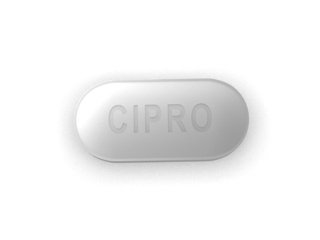
| Product | Price | Per Pill | Order |
|---|---|---|---|
| Cipro 250 mg x 30 pill | € 24.81 | € 0.83 | Buy now |
| Cipro 250 mg x 60 pill | € 45.04 | € 0.75 | Buy now |
| Cipro 250 mg x 90 pill | € 64.34 | € 0.72 | Buy now |
| Cipro 250 mg x 120 pill | € 81.81 | € 0.68 | Buy now |
| Cipro 250 mg x 180 pill | € 117.66 | € 0.65 | Buy now |
| Cipro 500 mg x 10 pill | € 14.70 | € 1.49 | Buy now |
| Cipro 500 mg x 30 pill | € 40.44 | € 1.35 | Buy now |
| Cipro 500 mg x 60 pill | € 77.21 | € 1.29 | Buy now |
| Cipro 500 mg x 90 pill | € 110.31 | € 1.22 | Buy now |
| Cipro 500 mg x 120 pill | € 139.72 | € 1.17 | Buy now |
| Cipro 500 mg x 180 pill | € 200.40 | € 1.11 | Buy now |
| Cipro 500 mg x 360 pill | € 384.26 | € 1.07 | Buy now |
| Cipro 750 mg x 30 pill | € 72.62 | € 2.42 | Buy now |
| Cipro 750 mg x 60 pill | € 138.80 | € 2.31 | Buy now |
| Cipro 750 mg x 90 pill | € 197.64 | € 2.20 | Buy now |
| Cipro 750 mg x 120 pill | € 250.04 | € 2.09 | Buy now |
| Cipro 750 mg x 180 pill | € 357.60 | € 1.99 | Buy now |
| Cipro 1000 mg x 30 pill | € 107.55 | € 3.59 | Buy now |
| Cipro 1000 mg x 60 pill | € 188.45 | € 3.13 | Buy now |
| Cipro 1000 mg x 90 pill | € 269.35 | € 2.99 | Buy now |
| Cipro 1000 mg x 120 pill | € 341.05 | € 2.84 | Buy now |
| Cipro 1000 mg x 180 pill | € 486.30 | € 2.70 | Buy now |
Product Description
Introduction
Ciprofloxacin, commonly known as Cipro, is a broad-spectrum antibiotic used to treat a variety of bacterial infections. It belongs to the class of drugs known as fluoroquinolones, which are synthetic antibiotics that work by inhibiting the growth of bacteria. Ciprofloxacin is one of the most commonly prescribed antibiotics in the United States and is used to treat a wide range of bacterial infections, including urinary tract infections, skin infections, and respiratory infections. Ciprofloxacin is also used to treat certain sexually transmitted diseases, such as gonorrhea.
The importance of Ciprofloxacin in modern pharmaceuticals cannot be overstated. It is a powerful antibiotic that is effective against a wide range of bacterial infections, and it is also relatively safe and well-tolerated by most patients. Ciprofloxacin is an important tool in the fight against antibiotic-resistant bacteria, as it is effective against many strains of bacteria that are resistant to other antibiotics.
Characteristics
Ciprofloxacin is a synthetic antibiotic that belongs to the class of drugs known as fluoroquinolones. It is a white to yellowish-white crystalline powder that is soluble in water and has a molecular weight of 331.39. The chemical structure of Ciprofloxacin is shown below:

Ciprofloxacin works by inhibiting the growth of bacteria. It does this by interfering with the enzymes that are responsible for the replication and transcription of DNA. This prevents the bacteria from reproducing and ultimately leads to their death. Ciprofloxacin has a broad spectrum of activity, meaning that it is effective against a wide range of bacteria.
Instructions
Ciprofloxacin is available in a variety of dosage forms, including tablets, capsules, and oral suspensions. It is typically administered orally, but it can also be administered intravenously. The recommended dosage and schedule for Ciprofloxacin will vary depending on the type of infection being treated and the patient's age and weight. It is important to follow the instructions provided by your doctor or pharmacist when taking Ciprofloxacin.
It is important to be aware of any potential drug interactions when taking Ciprofloxacin. Certain medications, such as antacids, can reduce the absorption of Ciprofloxacin, so it is important to take Ciprofloxacin at least two hours before or after taking any other medications. Additionally, Ciprofloxacin can interact with certain supplements, such as iron and calcium, so it is important to talk to your doctor or pharmacist before taking any supplements while taking Ciprofloxacin.
It is also important to be aware of the potential side effects of Ciprofloxacin. Common side effects include nausea, vomiting, diarrhea, and headache. Serious side effects, such as tendon rupture, can occur, so it is important to contact your doctor immediately if you experience any of these symptoms. Additionally, Ciprofloxacin can cause photosensitivity, so it is important to avoid direct sunlight or wear protective clothing when outdoors.
Compound
Ciprofloxacin belongs to the pharmacological group of fluoroquinolones. Fluoroquinolones are synthetic antibiotics that are used to treat a variety of bacterial infections. Ciprofloxacin is similar to other fluoroquinolones, such as levofloxacin and moxifloxacin, but it has a broader spectrum of activity. Ciprofloxacin is effective against a wide range of bacteria, including Gram-positive and Gram-negative bacteria.
Ciprofloxacin is indicated for the treatment of a variety of bacterial infections, including urinary tract infections, skin infections, and respiratory infections. It is also used to treat certain sexually transmitted diseases, such as gonorrhea. Ciprofloxacin is typically used as a first-line treatment for these infections, as it is effective against a wide range of bacteria.
Dosage
The recommended dosage of Ciprofloxacin will vary depending on the type of infection being treated and the patient's age and weight. The most common dosages of Ciprofloxacin are 1000mg, 250mg, 500mg, and 750mg. It is important to follow the instructions provided by your doctor or pharmacist when taking Ciprofloxacin.
Pharmacological Properties
Ciprofloxacin has a broad spectrum of antibacterial activity, meaning that it is effective against a wide range of bacteria. It is effective against both Gram-positive and Gram-negative bacteria, including many strains of bacteria that are resistant to other antibiotics. Ciprofloxacin works by inhibiting the enzymes that are responsible for the replication and transcription of DNA, which prevents the bacteria from reproducing and ultimately leads to their death.
Ciprofloxacin has a number of mechanisms of action, including inhibition of DNA gyrase, inhibition of topoisomerase IV, and inhibition of bacterial cell wall synthesis. These mechanisms of action make Ciprofloxacin an effective treatment for a variety of bacterial infections.
Application Features
Ciprofloxacin is used to treat a variety of bacterial infections, including urinary tract infections, skin infections, and respiratory infections. It is also used to treat certain sexually transmitted diseases, such as gonorrhea. Ciprofloxacin is typically used as a first-line treatment for these infections, as it is effective against a wide range of bacteria.
Ciprofloxacin is also used for prophylaxis and treatment of certain infections, such as traveler's diarrhea. It is important to follow the instructions provided by your doctor or pharmacist when taking Ciprofloxacin for prophylaxis or treatment.
Some of the most common infections treated with Ciprofloxacin include urinary tract infections, skin infections, respiratory infections, and sexually transmitted diseases. Ciprofloxacin is also used to treat certain infections caused by bacteria that are resistant to other antibiotics, such as methicillin-resistant Staphylococcus aureus (MRSA).
Drug Interactions
It is important to be aware of any potential drug interactions when taking Ciprofloxacin. Certain medications, such as antacids, can reduce the absorption of Ciprofloxacin, so it is important to take Ciprofloxacin at least two hours before or after taking any other medications. Additionally, Ciprofloxacin can interact with certain supplements, such as iron and calcium, so it is important to talk to your doctor or pharmacist before taking any supplements while taking Ciprofloxacin.
It is also important to be aware of the potential for drug interactions with other antibiotics. Ciprofloxacin can interact with certain antibiotics, such as tetracyclines, so it is important to talk to your doctor or pharmacist before taking any other antibiotics while taking Ciprofloxacin.
Side Effects
It is important to be aware of the potential side effects of Ciprofloxacin. Common side effects include nausea, vomiting, diarrhea, and headache. Serious side effects, such as tendon rupture, can occur, so it is important to contact your doctor immediately if you experience any of these symptoms. Additionally, Ciprofloxacin can cause photosensitivity, so it is important to avoid direct sunlight or wear protective clothing when outdoors.
If you experience any side effects while taking Ciprofloxacin, it is important to contact your doctor or pharmacist. Your doctor may be able to adjust your dosage or switch you to a different antibiotic. Additionally, your doctor may be able to recommend lifestyle changes or other treatments to help manage your side effects.
Conclusion
Ciprofloxacin is a powerful antibiotic that is effective against a wide range of bacterial infections. It is an important tool in the fight against antibiotic-resistant bacteria, as it is effective against many strains of bacteria that are resistant to other antibiotics. Ciprofloxacin is available in a variety of dosage forms and is typically administered orally, but it can also be administered intravenously. It is important to follow the instructions provided by your doctor or pharmacist when taking Ciprofloxacin.
It is important to be aware of any potential drug interactions when taking Ciprofloxacin. Certain medications, such as antacids, can reduce the absorption of Ciprofloxacin, so it is important to take Ciprofloxacin at least two hours before or after taking any other medications. Additionally, Ciprofloxacin can interact with certain supplements, such as iron and calcium, so it is important to talk to your doctor or pharmacist before taking any supplements while taking Ciprofloxacin.
It is also important to be aware of the potential side effects of Ciprofloxacin. Common side effects include nausea, vomiting, diarrhea, and headache. Serious side effects, such as tendon rupture, can occur, so it is important to contact your doctor immediately if you experience any of these symptoms. Additionally, Ciprofloxacin can cause photosensitivity, so it is important to avoid direct sunlight or wear protective clothing when outdoors.
In summary, Ciprofloxacin is a powerful antibiotic that is effective against a wide range of bacterial infections. It is an important tool in the fight against antibiotic-resistant bacteria, and it is relatively safe and well-tolerated by most patients. Ciprofloxacin is an important medication for the treatment of a variety of bacterial infections, and it is important to follow the instructions provided by your doctor or pharmacist when taking Ciprofloxacin.
If you are looking for an effective treatment for a bacterial infection, Ciprofloxacin may be the right choice for you. Talk to your doctor or pharmacist to learn more about Ciprofloxacin and to find out if it is the right medication for you.
References
- Ciprofloxacin. (2020). Retrieved from https://www.drugs.com/ciprofloxacin.html
- Ciprofloxacin. (2020). Retrieved from https://www.webmd.com/drugs/2/drug-7788/ciprofloxacin-oral/details
- Ciprofloxacin. (2020). Retrieved from https://www..com/ciprofloxacin-drug.htm
- Ciprofloxacin. (2020). Retrieved from https://www.medicinenet.com/ciprofloxacin/article.htm
Are you looking for an effective treatment for a bacterial infection? Ciprofloxacin may be the right choice for you. Talk to your doctor or pharmacist to learn more about Ciprofloxacin and to find out if it is the right medication for you.
Package
| Delivery Method | Delivery Time | Price | |
 Delivery Delivery |
14-21 Days | 10$ | Tracking Number Is Available After 4 Days. |

An Example Of A Package

Foreground

Side View

Back View
- Delivery Around The World
- Guarantee Of Confidentiality And Anonymity
- Safe And Reliable
- Discrete Packages
- Sending Orders Within 24 Hours
- 100% Successful Delivery